 Destination Polo
Lessons · Practice chukkers · Horse leasing
Learn to play polo in Virginia & Florida.
Private lessons, practice games and gentle, proven horses in Virginia at historic Phipps Field and in the arena at Great Meadow Stadium, and all winter at Beldi Polo Club in Florida. No riding experience needed.
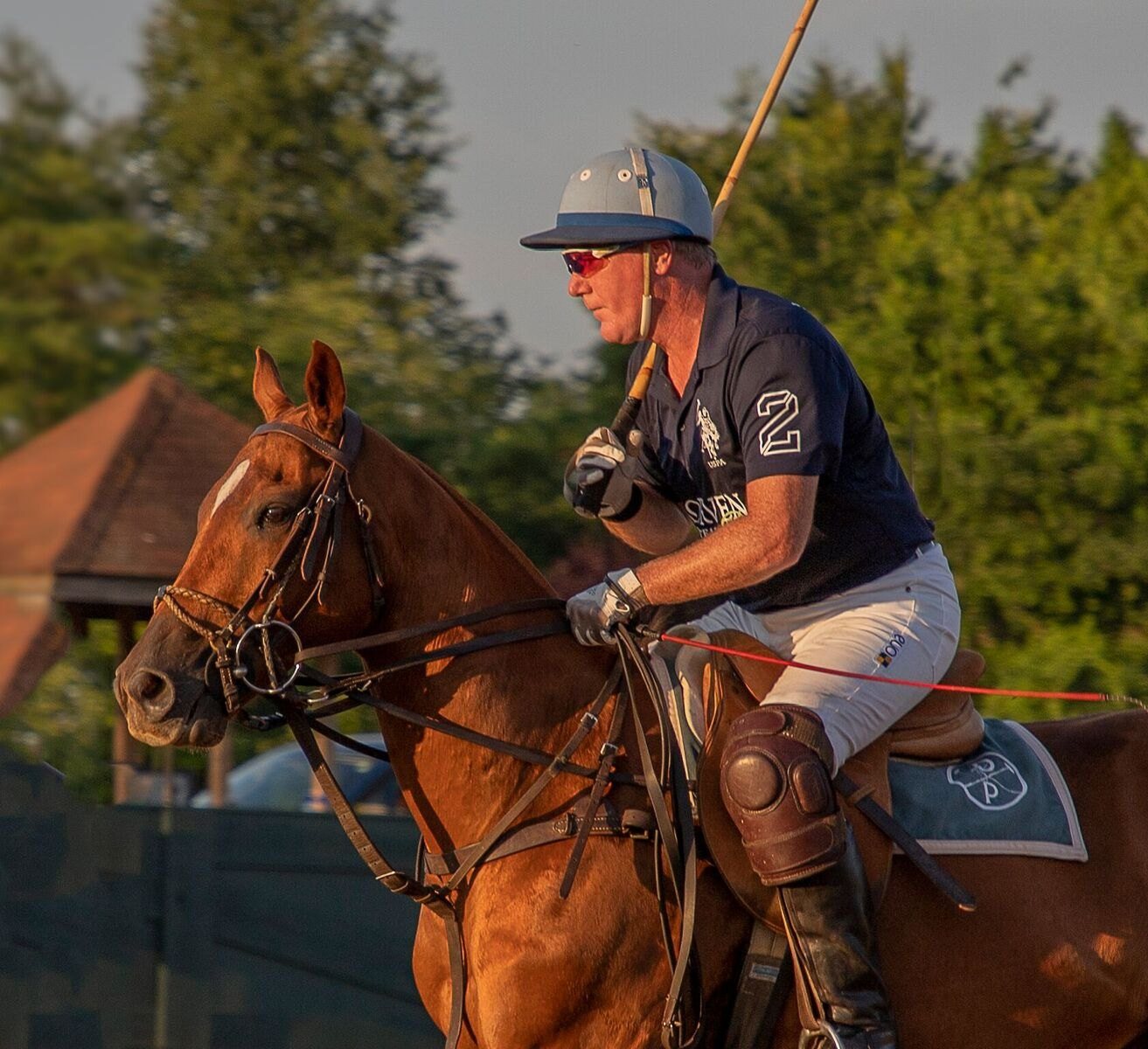
How you start
From your first ride to your first game.
An instructor stays on the field with you the whole time. Most beginners are playing within about a week.
- Step 1
Polo 101 lesson
Learn to sit the horse safely, hold the mallet and hit the ball at a walk. We bring the horse, helmet and mallet.
- Step 2
Slow practice chukkers
Once you're comfortable in the saddle, you join easy practice chukkers with an instructor riding alongside.
- Step 3
Play
Move into practice games and leagues, ride our horses by the chukker, and keep building from there.
Lessons & prices
Pick your season, pick your pace.
April to November in Virginia, on the grass at Phipps Field and in the arena at Great Meadow Stadium, The Plains
Polo 101 Lesson
$250
Your first private lesson. Horse and gear included.
Learn to Play
$1,250 / 5 lessons
Five lessons to take you from the basics to your first practice chukkers.
4 Chukker Practice Game
$800
A full practice game on our horses, with coaching.
Private Lessons
$2,250 / 10 lessons
Ten one-on-one lessons built around your goals.
December to April at Beldi Polo Club, Florida
Private Lesson
$350 / hour
One-on-one instruction on our horses.
Lesson Package
$3,000 / 10 lessons
Ten private lessons on our horses, built around your goals.
4 Chukker Practice Game
$2,250
A full practice game on our horses.
4 Chukker Pro-Am
$2,250
Play alongside a professional, with coaching on the field.
Packages
Go further with a package.
Packages bundle lessons, chukkers and horses into one plan. Call us and we'll build the right one around your schedule.
- VirginiaFlorida
- Polo 101The introduction, start to finish$1,500$2,500
- Learn the BasicsRiding, hitting and the rules of the game$2,500$5,000
- Learn to PlayFrom lessons all the way into games$5,000$10,000
Lesson sign-up
Ready to ride? Sign up for lessons.
Leave your email and we'll reach out about lesson dates, clinics and openings in Virginia and Florida. Add your mobile number if you'd rather get a text.
Our horses
The heart of Destination Polo.
Every horse is chosen for temperament first and ability second. We never buy green horses. Each one has already played polo in Mexico before it ever carries a student.
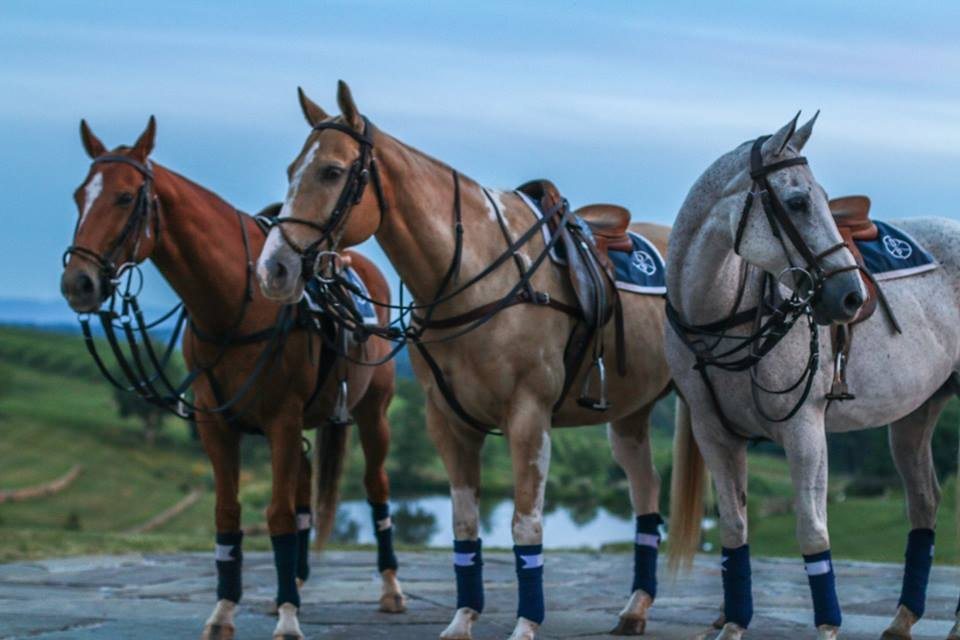
From Mexico to your first lesson: 1 to 2 years
- StartProven in Mexico
Candidates already have 1 to 2 years of polo behind them.
- 6–12 monthsKeep playing, keep watching
They stay in play in Mexico so we can judge consistency and personality.
- 1 monthArrive in Virginia
They travel by land, then play and are evaluated here.
- 6 monthsRest and settle in
Time off to adjust to a new home before going back to work.
- ReadyJoin the string
Brought back gradually, then trusted with clients. That's why they're rarely for sale.
Lease or own?
Most new players should lease first.
Lease by the game
- Arrive 30 minutes before play. Your horse is tacked and ready.
- Ride, hand it back, go home.
- Pay per session, with no feed, vet, farrier or trailer bills.
- Usually cheaper over a season, even if it looks pricier up front.
Own your horse
- Rewarding, especially if the bond with a horse is what you're after.
- The purchase price is the smallest cost. Feed, vet, farrier, insurance and board never stop.
- Plan for a truck, trailer, tack and time for every outing.
- We'll help you buy the right horse when you're ready.
Buy a horse from us, and if it isn't the right fit, we'll take it back or trade it.
Want the numbers? Ask for our lease-versus-own cost breakdown.
Phipps Field · Between Middleburg & Upperville
A century of polo beside Goose Creek.
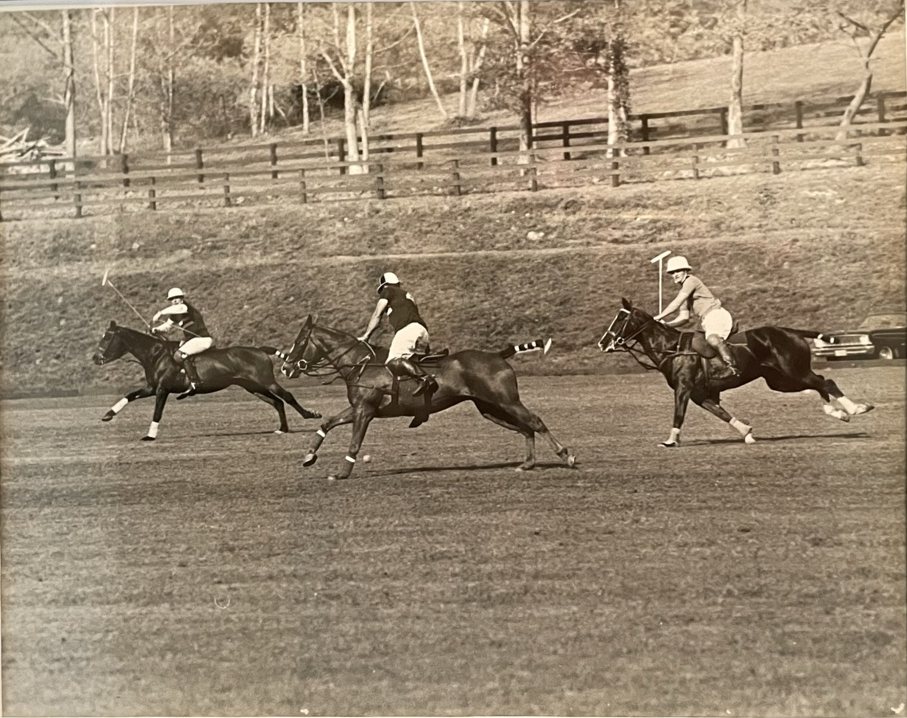
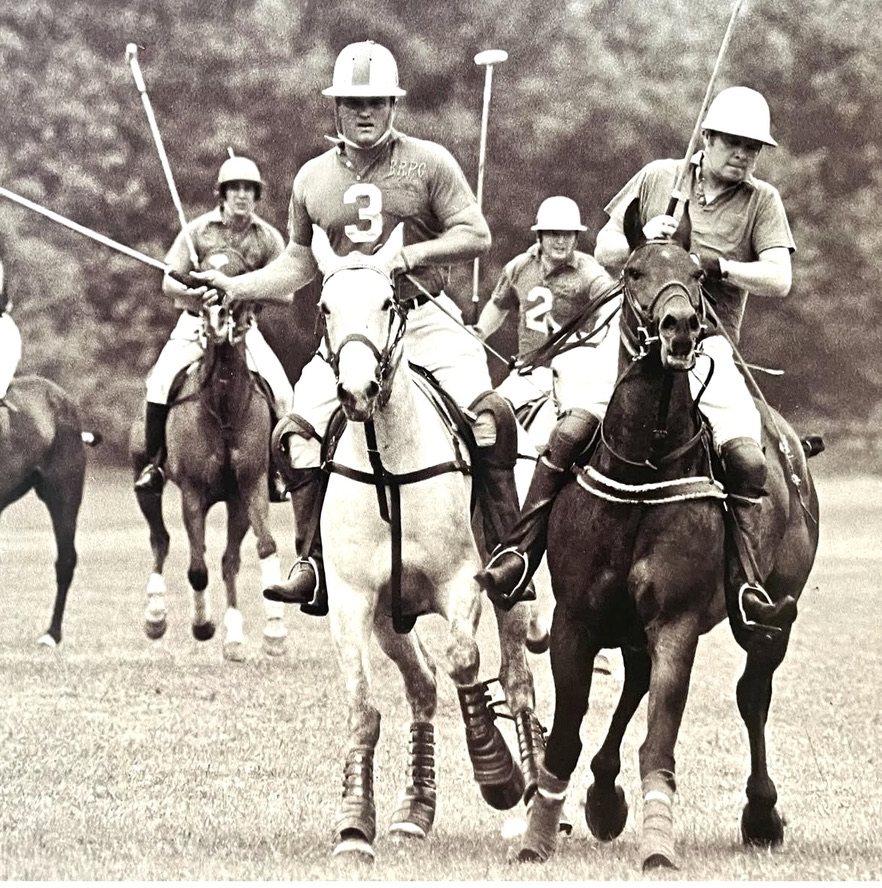
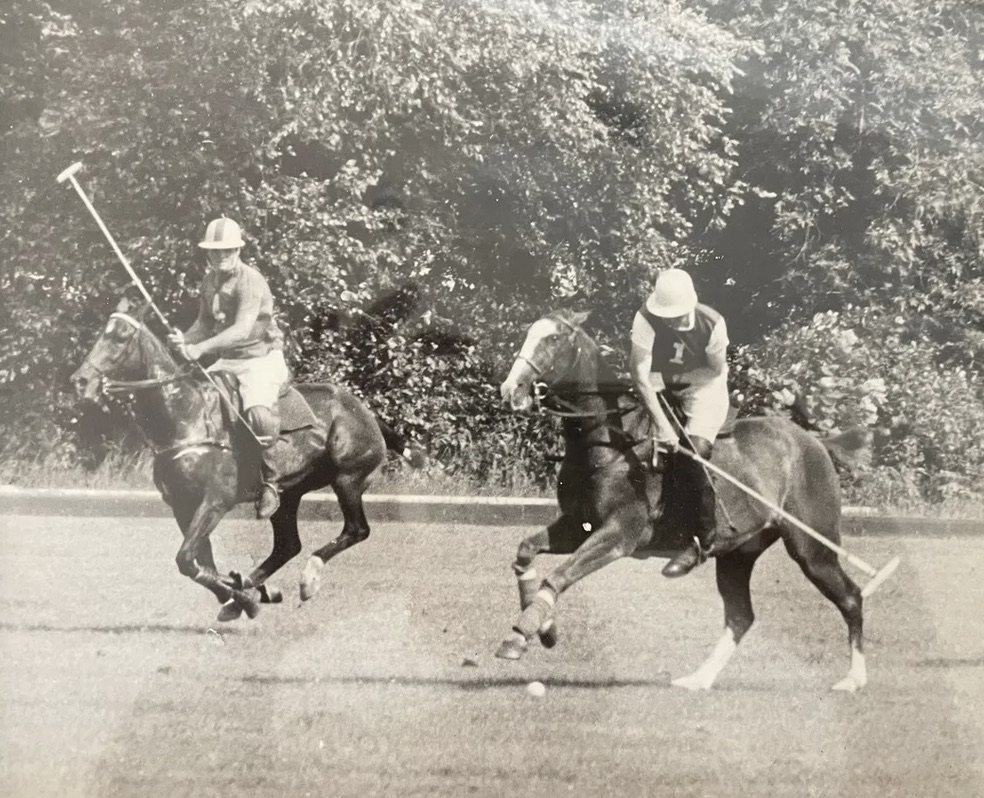
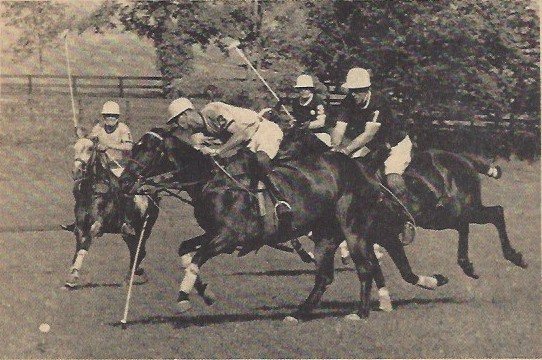
Our home field sits between Middleburg and Upperville in the heart of Virginia hunt country. Local and professional players have played here for about 100 years.
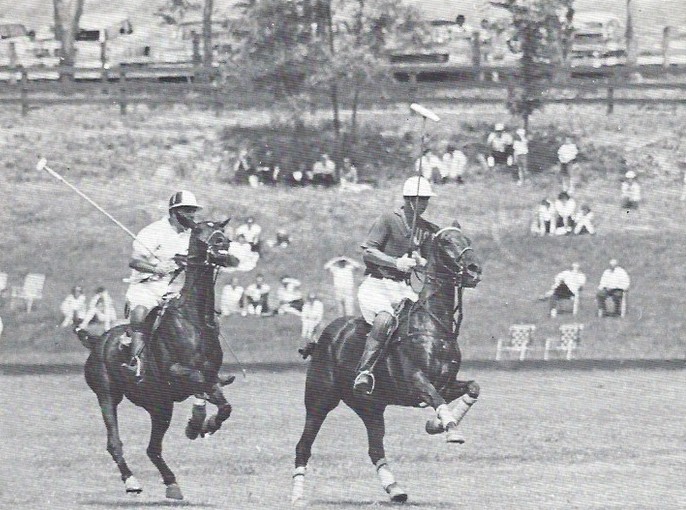
The Phipps family comes from New York for the fox hunting and the Piedmont countryside.
The field is leveled with mules, part of Goose Creek is rerouted, and a stone wall goes up. It still stands.
Owners have included Paul Mellon, Senator John Warner, Jack Kent Cooke and the Brennan family.
Home of Destination Polo, with lessons, practice chukkers and games all season, continuing the tradition of local players at the heart of the sport.
Bermuda grass
Fast-growing and self-repairing, on sandy soil that drains well. Whatever the Virginia weather throws at us, it's the quickest field around to get back to polo after the rain.
Watered in 4 hours
Two irrigation reels cover the whole field in one session, with cameras and sensors that prevent overwatering.
Seats by the creek
Shady spots along Goose Creek for players and guests between chukkers.
Then
Polo at Phipps Field through the years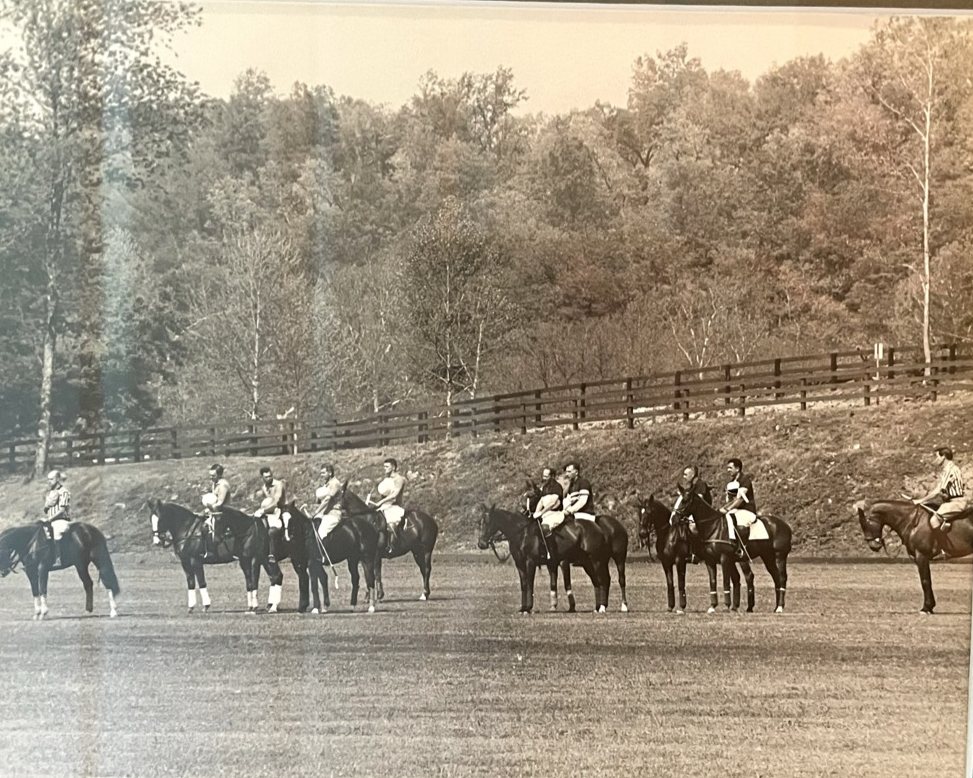
Now
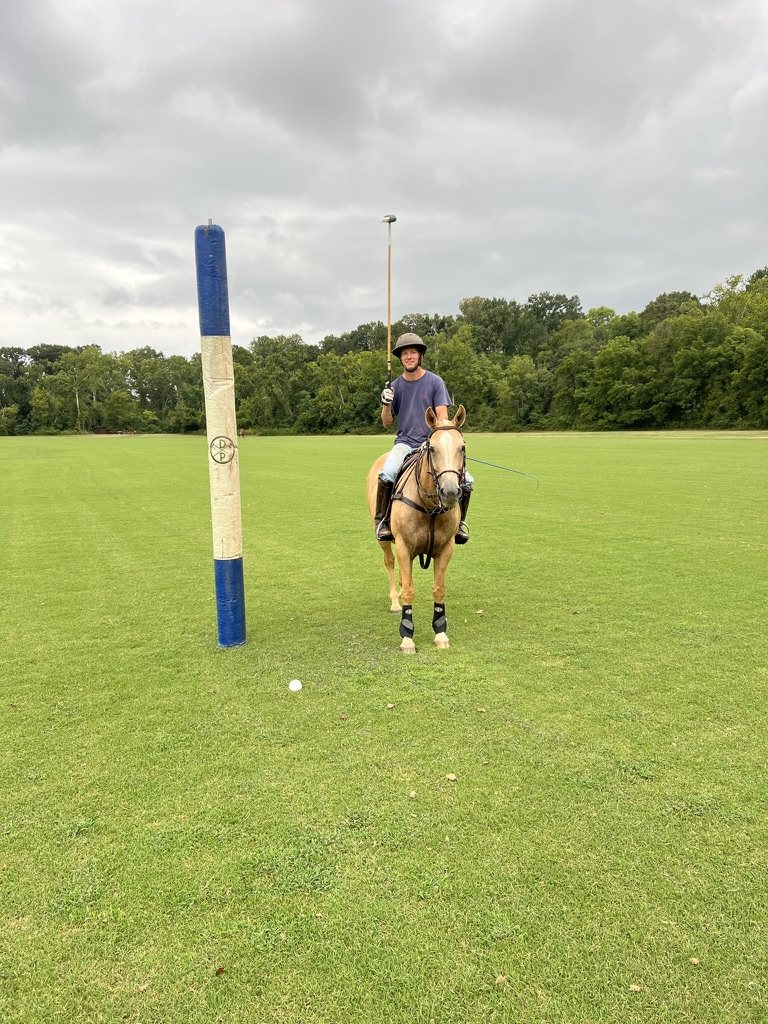
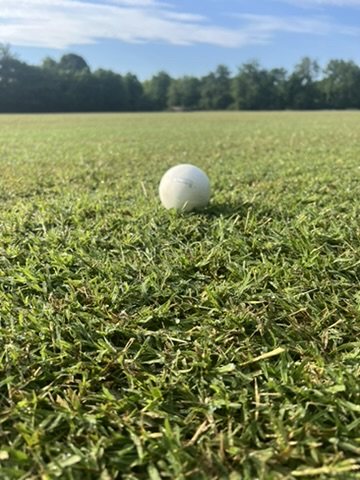
Phipps Field today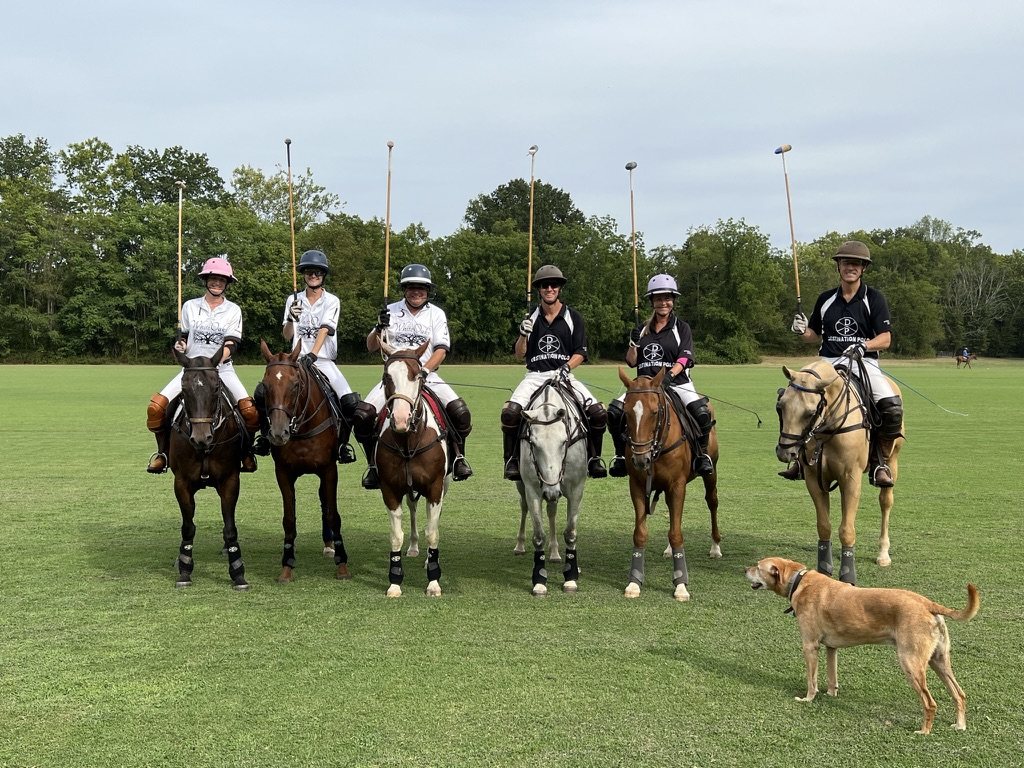
Caring for Phipps Field
What it takes to keep a polo field fast.
A polo field takes a beating: thirty-two hooves at a gallop, chukker after chukker. Keeping it smooth, safe and fast is a season-long routine. Here's what goes into it.
Mowing
Cut short and often, so the Bermuda grows thick and the ball rolls true. During the season the field is mowed several times a week.
Watering
Two irrigation reels cover the whole field in about four hours, with sensors that keep it from getting too wet.
Deep-tine aerating
The Verti-Drain drives long tines deep into the ground and heaves the soil, breaking up compaction far below the surface so water drains and roots grow deeper.
Core aerating
Hollow tines pull small plugs of soil out of the top few inches and drop them on the grass, letting air, water and nutrients reach the roots.
Slicing
The slicer cuts narrow slits through the turf so air, water and nutrients reach the roots, and the ground stays soft under the horses.
Sanding
A thin layer of sand fills divots and low spots, smooths the surface and helps the field drain after rain.
Weed control & micronutrients
Pre-emergent goes down four times a year to stop weeds before they start, with spot weed control when needed. When the field is getting a lot of play, we spray micronutrients to keep the grass strong.
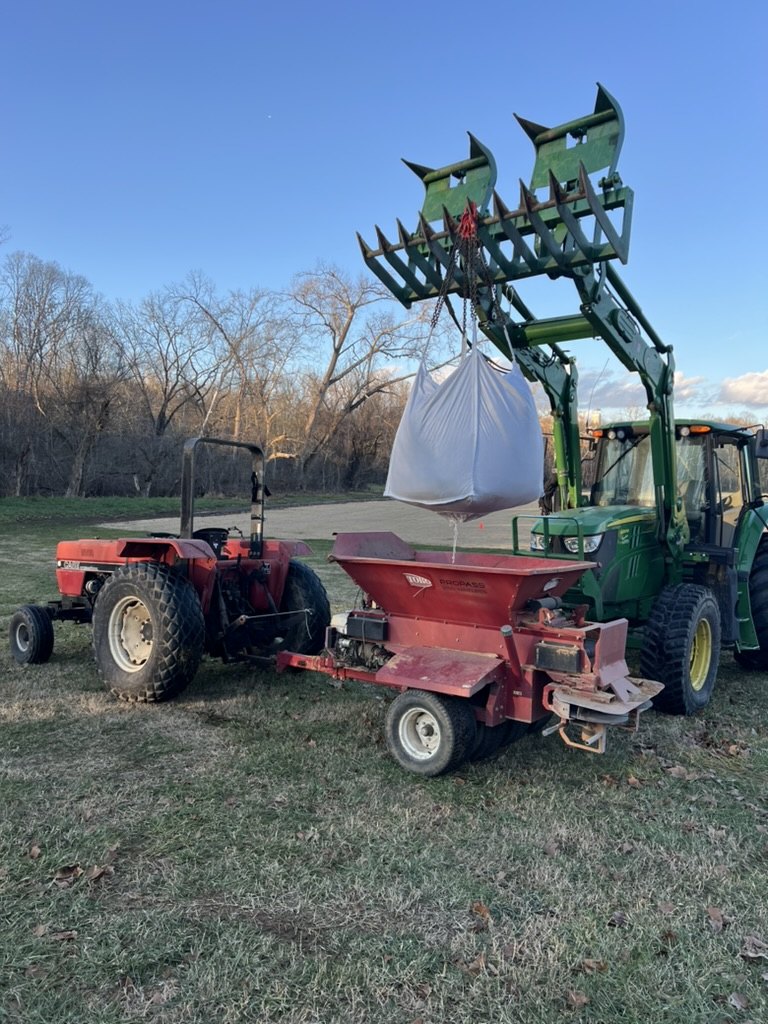
Fertilizing
Feeding the grass through the growing season keeps the Bermuda dense and quick to grow back over hoof marks.
Liming
In the off season the field gets limed to balance the soil, so the grass can take up its nutrients and come back strong in the spring.
Trimming the boards
Every week the grass along 4,000 feet of sideboards is trimmed by hand with a weed eater, so the boards stay clean and pristine all season.
Between chukkers, players and spectators stomp the divots back in, a polo tradition that helps the field too.
About polo
The oldest team sport, and the fastest without a motor.
Polo began in Persia more than 2,000 years ago. Today it's played two ways: in an enclosed arena and on a grass field roughly ten times the size.
Arena polo
- Players
- 3 a side
- Field
- 300 × 150 ft, walls about 4 ft high
- Game
- 4 chukkers of 7½ minutes
- Ball
- Larger and softer, like a small soccer ball
- Ends
- Teams switch after each chukker
Outdoor polo
- Players
- 4 a side
- Field
- About 300 × 160 yards, boards about 11 in high
- Game
- Usually 6 chukkers of 7 minutes
- Ball
- Plastic or wood, about 3 to 3½ in
- Ends
- Teams switch after every goal
One period of play. Players change horses between chukkers.
The player's right side, where the ball is hit.
The path the ball travels after it's hit. It sets the right of way.
The umpire bowls the ball between the lined-up teams to start play.
Questions
Before your first lesson.
Do I need riding experience?
No. It helps, but it isn't required. Our horses are chosen for their gentle temperament so your first ride is safe and fun.
How long does it take to learn?
An instructor is on the field with you the whole time. Once you can stay on the horse safely, you move up to slow practice chukkers. Many beginners are playing within about a week.
What should I bring?
Sturdy shoes or boots with a heel are required. Bring your own helmet or use one of ours. Thin gloves, like golf or baseball gloves, are a good idea.
Is it dangerous?
Like any horse sport, polo carries some risk. We use reliable equipment, supervise every session and choose quiet horses, but no horse activity is 100% safe. Everyone signs a release before riding.
What about the weather?
Lessons and games go ahead as scheduled unless it's raining or conditions are unsafe. We'll let you know if we need to reschedule.
Fox hunting
See the countryside you can't see from the road.
Many of our horses are quiet and steady enough to hunt in second and third field. We ride with the Piedmont Hunt, founded in 1840 and the oldest recognized fox hunt in the United States.
- Calm for any rider, and fit enough to follow hounds for a couple of hours.
- Comfortable over small logs and the terrain of Virginia hunt country.
- Never forced. New horses get a trial day. Only the ones that enjoy it join the hunt program.
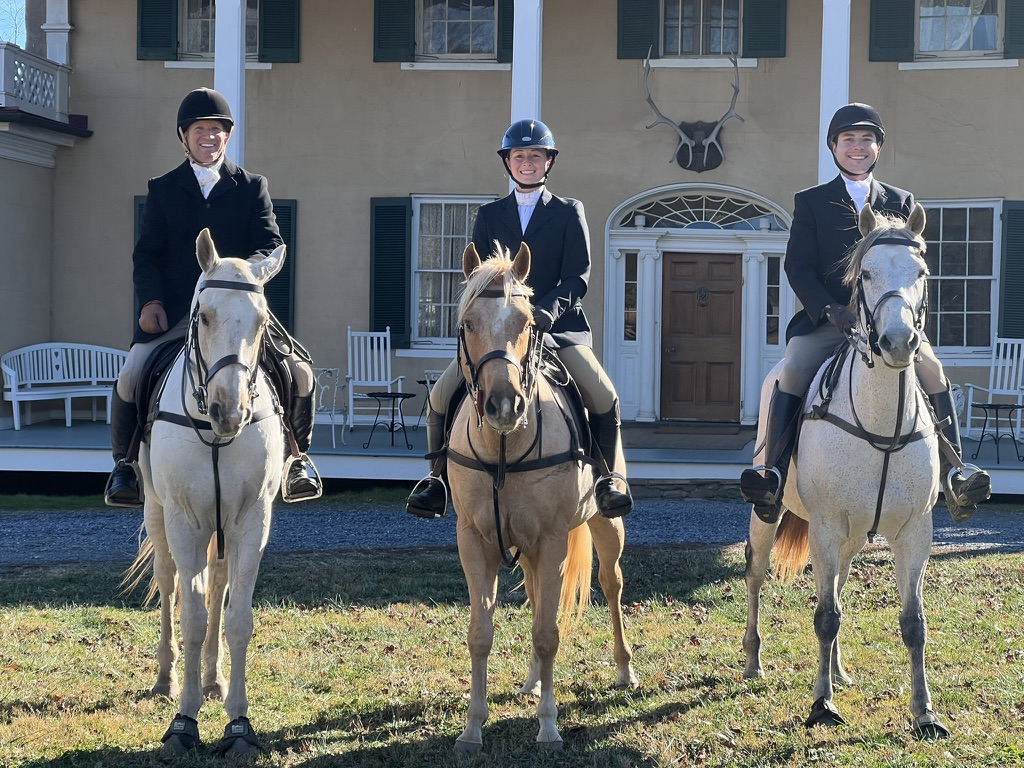
In the hunt field
Hunt country from the saddle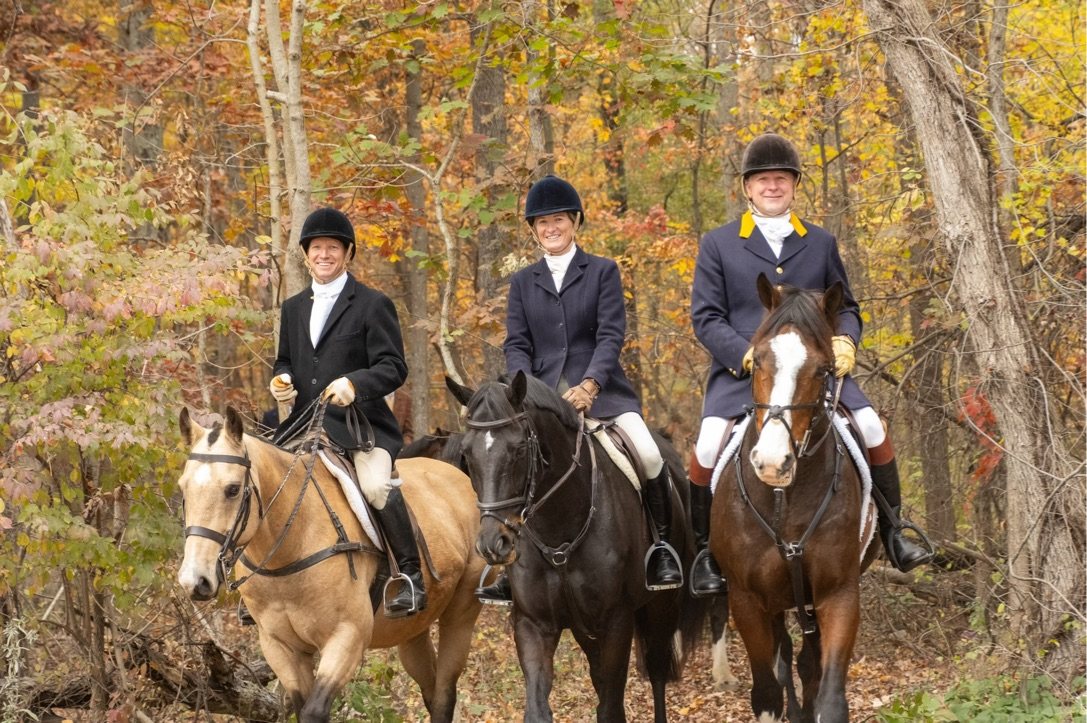
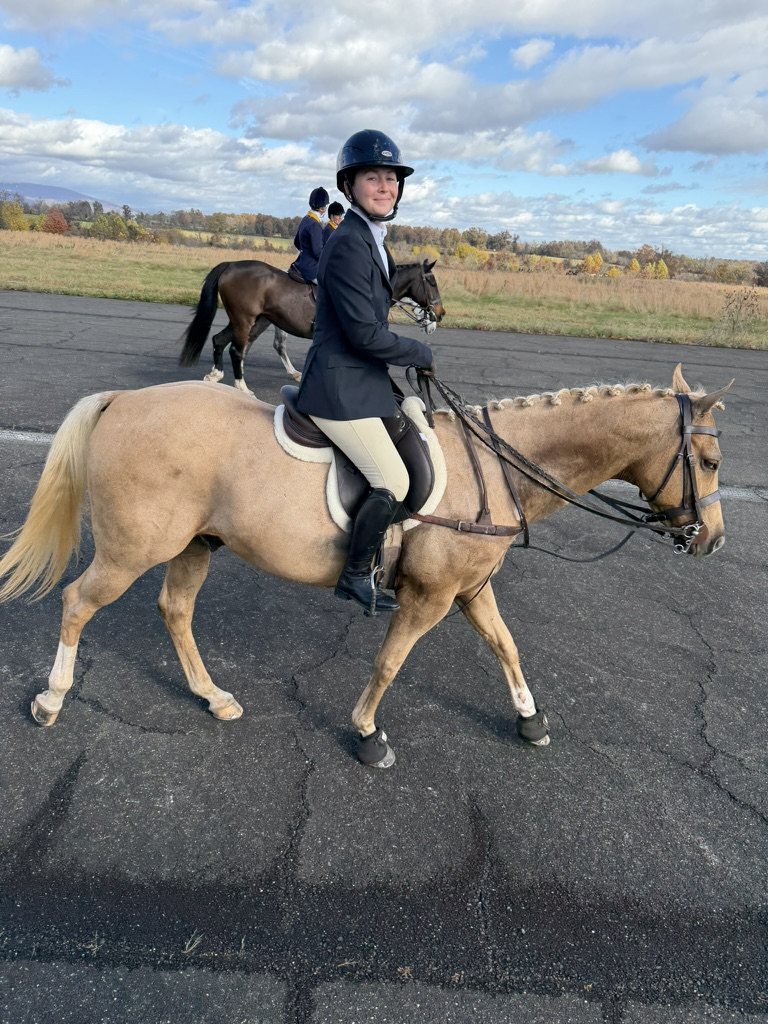
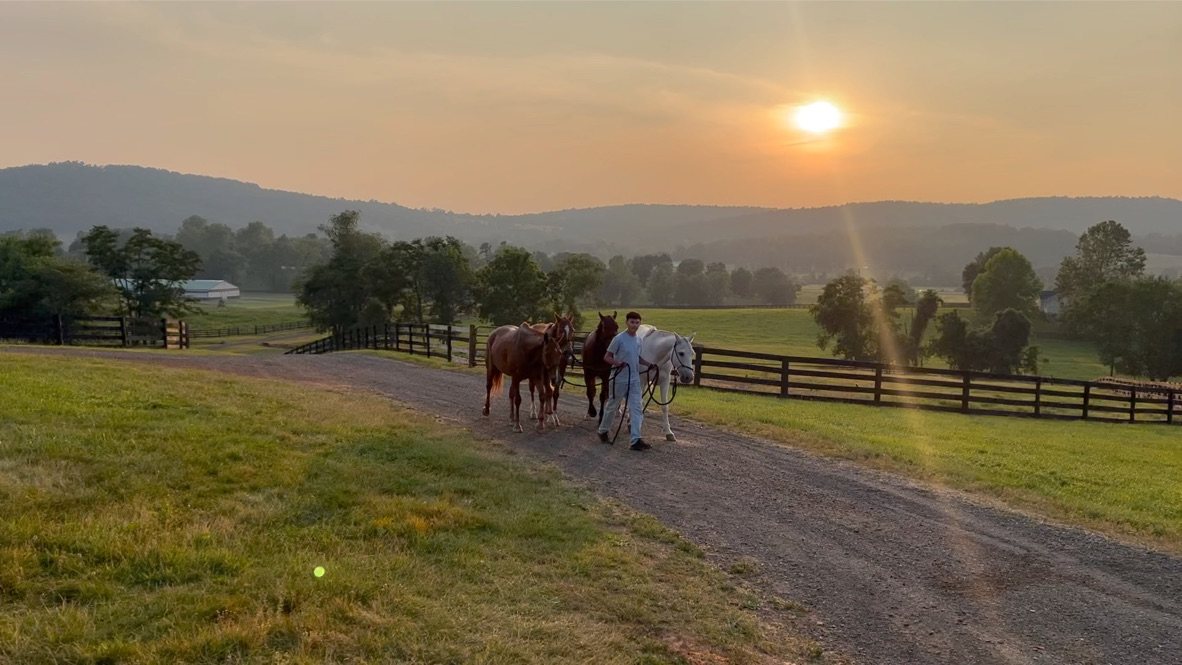
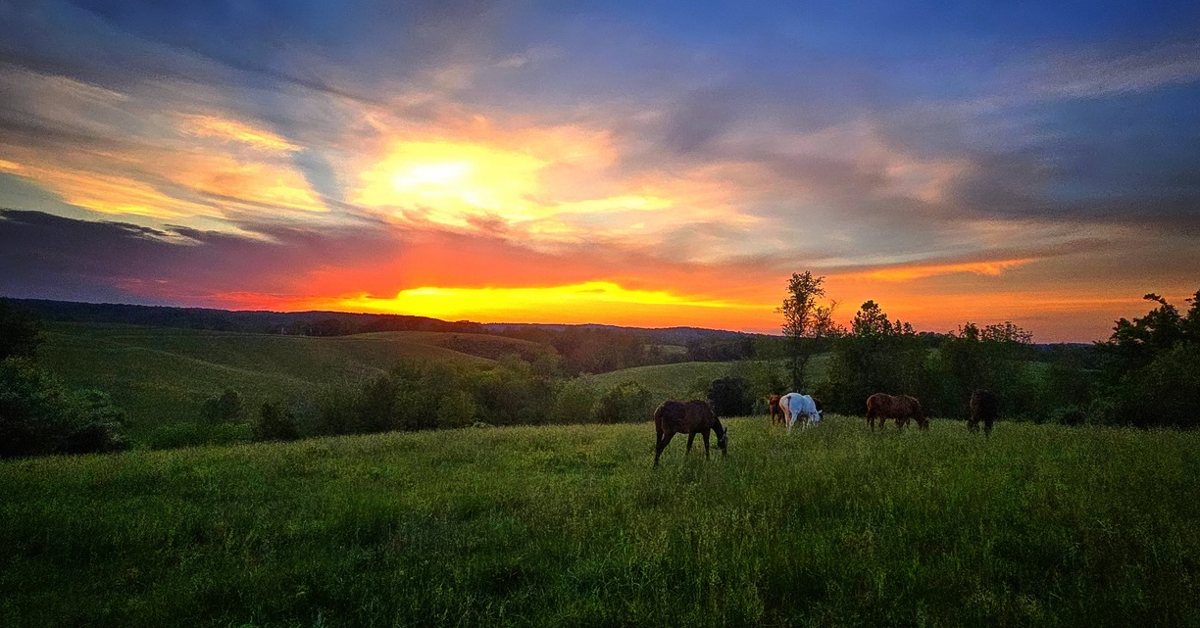
Saturday nights in The Plains
Come watch at Great Meadow Polo.
We teach lessons in the arena at Great Meadow Stadium, and on Saturday nights it hosts arena polo under the lights, mid-May to mid-November. Bring a picnic, try the hitting horse, and see the game you're learning.

Book a lesson
Let's make the right plan for you.
Tell us about your riding, your goals and your schedule. Doug Barnes will put together a plan with every cost up front, so there are no surprises.